![]()
The Six Senate Races That Will Decide the Majority
Democrats need four of the six toss-up Senate races to win control; prediction markets put their odds of getting there at roughly 64–67% as of Oct. 26, with Iowa the only one of the six where the Republican is the favorite.
At a glance
Five of the six seats are Republican-held; Michigan is the one Democrats must defend. Odds are Kalshi/Polymarket win prices for the Democrat, from the latest snapshots I found (Oct. 11–21), and move daily.
| State | Democrat | Republican | Fox rating (Oct. 18) | Market odds, Dem win | Recent polls |
| | | | | |
|---|
| Alaska | Mary Peltola | Sen. Dan Sullivan (inc.) | Toss-up | ~70–76% | Peltola +2 to +7 (Oct. 1–20) |
| Michigan (open, D-held) | Abdul El-Sayed | Mike Rogers | Toss-up | ~69% | El-Sayed +1 to +5 (Oct. 5–18) |
| Ohio (special) | Sherrod Brown | Sen. Jon Husted (inc.) | Toss-up | ~64–66% | Brown +1 to +6 (Oct. 1–14) |
| Texas (open) | James Talarico | Ken Paxton | Toss-up | ~63–65% | Talarico +2 to +4 (Oct. 6–14) |
| Maine | Troy Jackson | Sen. Susan Collins (inc.) | Toss-up | ~57% | Jackson +2 to +4 (Oct. 1–13); one Siena poll had Collins +3 |
| Iowa (open) | Josh Turek | Rep. Ashley Hinson | Toss-up | ~41% (Hinson ~59%) | Turek +2 to +8 in some polls, Hinson +1 to +5 in others |
The math
Fox News Power Rankings (Oct. 18) put each party at 47 seats before these six, so Democrats need four of six to reach 51, while Republicans need only three to hold 50 and keep Vice President Vance's tiebreaker. That baseline treats Georgia, North Carolina, Minnesota and New Hampshire as Democratic holds or pickups, and Fox rates Georgia and North Carolina Likely Democratic and Minnesota and New Hampshire Lean Democratic.
Markets price Democratic control at about 64% on Kalshi and 66–67% on Polymarket as of Oct. 26, up from 62–63% on Oct. 14, with most of the recent move coming from Maine. As a rough check, treating my table's midpoint odds as independent gives Democrats about a 57% chance of winning four or more of the six; the markets price control higher because the races are correlated, since a national wave lifts all of them together. Kalshi's seat-count market has Democrats at 52 seats.
Three cautions apply. Polls have been uneven, with Iowa and Maine swinging between Democratic and Republican leads depending on the pollster. Markets lean on the same polls and are not independent evidence. And Alaska's ranked-choice count could leave the result unsettled for weeks after Nov. 3.
Alaska: Peltola (D) vs. Sen. Dan Sullivan (R)
Peltola, who held Alaska's House seat from 2022 to 2025, is the favorite at roughly 70–76% on Kalshi and 73% on Polymarket in early-to-mid October snapshots. Polls are closer than that: New York Times/Siena (Sept. 24–Oct. 1) had her up 50–43, while later surveys range from a 46–46 tie (Quantus) to 48–47 (Public Policy Polling) and 51–49 on the final ranked-choice round (Data for Progress, Oct. 20). A report on her treatment of staff gave Republicans a late attack, and a pro-Sullivan PAC bought about $600,000 of ads on it, yet the markets barely moved.
Small business angle. Fuel is the story. Rural communities pay once a year for barged-in diesel and heating fuel, with some villages quoted $10 a gallon or more and further increases expected, and fishermen and shippers face the same costs plus tariffs. Peltola ties the spike to the Iran war, which Sullivan backed, and proposes scrutiny of price gouging among Alaska's few fuel distributors, an "Essential Freight Service" modeled on Bypass Mail, and a federal seafood marketing institute. Sullivan points to a White House task force on Alaska energy, a near doubling of heating-assistance funding, and diesel production waivers, and argues that Alaska's problems are solved by producing more Alaska energy and that a Democratic majority would curb resource development.
Maine: Troy Jackson (D) vs. Sen. Susan Collins (R)
Jackson, a logger and former president of the Maine Senate, became the Democratic nominee on July 25 after Graham Platner left the race over allegations he denies. Polls mostly show him narrowly ahead: Marist (Oct. 1–4) 51–47, Washington Post/George Mason (Sept. 30–Oct. 5) 50–46, Suffolk (Oct. 8–11) 49–47 and InsiderAdvantage (Oct. 13–14) 49–47. A New York Times/Siena/Portland Press Herald poll had Collins up 49–46, and Collins has beaten her polling before. Markets price Jackson at about 57%, down from roughly 66–71% in September. He raised $20.4 million in his first three months, about four times Collins's haul.
Small business angle. Maine's economy is tightly tied to Canada, so the 50% tariffs on Canadian imports reach lobstermen, manufacturers and farmers, and some Maine products are processed in Canada and taxed in both directions; Canada has dropped its own tariff on lobster. Collins calls the tariffs "terrible" for small businesses and in July 2025 joined a bipartisan bill to exempt small businesses from the Canadian tariffs. Jackson says she should have used her seat as Appropriations chair to stop them, though PolitiFact found his attack ignored four other votes where she opposed Trump tariffs. Collins's pitch is that her chairmanship brings earmarks and resources home; Jackson's is wages, labor and rural affordability, including home heating oil costs. A pro-Collins PAC is attacking his tax record.
Ohio: Sherrod Brown (D) vs. Sen. Jon Husted (R)
Husted was appointed in January 2025 to fill Vice President Vance's seat and faces a special election for the remaining two years; Brown lost his seat to Bernie Moreno in 2024. Brown is the market favorite at about 64% on Polymarket and 66% on Kalshi. Polls lean his way but stay close: CNN (Oct. 8) 49–43, New York Times/Siena 49–46, YouGov (Oct. 6) 49–45, and InsiderAdvantage (Oct. 1) 44–43. The RealClearPolitics average on Oct. 6 was Brown 47.4%, Husted 44.3%.
Small business angle. This is the sharpest small-business contrast of the six. The National Federation of Independent Business endorsed Husted in March, citing a 100% NFIB voting record in the Ohio Statehouse, and Husted backed the 2025 tax law that made the 20% pass-through deduction permanent. Brown argues tariffs and the tax law hurt Main Street: he says the tariffs cost Ohio $6.5 billion, backs refunds, and notes that a coalition of more than 800 small businesses, including about two dozen in Ohio, is demanding tariff refunds after the Supreme Court ruled the sweeping tariffs illegal. Husted calls tariffs a tool for protecting workers but has said he wants any tariffs kept as low as possible, and he campaigns on bringing manufacturing back. Electricity costs from data centers are a second fight, with Brown tying Husted to data-center tax breaks and Husted tying Brown to higher grocery and power prices.
Texas: James Talarico (D) vs. Ken Paxton (R)
Paxton beat Sen. John Cornyn in the May 26 Republican runoff; Talarico is a state representative and former teacher. Markets favor Talarico at about 63–65%, a far cry from the 75%-plus Paxton traded at after the runoff. Polls are within a few points: University of Houston (Oct. 10–14) 48–46, with independents breaking 60–32 for Talarico, and Trafalgar 47.1–43.6. A nine-day absence from the trail in early October drew Republican attacks but barely moved the odds. Republican groups are spending heavily, with a Senate Leadership Fund allocation reported at well over $100 million.
Small business angle. NFIB endorsed Paxton, calling him a small business owner who will defend free enterprise, and Paxton brands Talarico a socialist. The Washington Examiner reports Talarico backs employer regulations that industry groups say would burden small firms. Both run on affordability: Paxton proposes new tax deductions, an expanded Child Tax Credit and permanent "Trump Accounts"; Talarico proposes higher wages, expanded tax credits and tougher action against corporations he says drive up prices, and promises Texas farmers he will end tariffs and restore farm subsidies. The political risk for Paxton is that nearly six in 10 Texans told Times/Siena they oppose the tariffs, and a Texas Politics Project survey found expectations for business conditions had "plunged" on fuel prices and tariffs. In a poll cited by Fox, voters trusted Talarico over Paxton on cost of living, 48% to 38%.
Michigan: Abdul El-Sayed (D) vs. Mike Rogers (R)
This is the open seat of retiring Sen. Gary Peters and the only one of the six that Democrats must defend. El-Sayed won the August primary over Rep. Haley Stevens by 48.5% to 47.5%; Rogers lost the 2024 Senate race by less than a point. Markets give El-Sayed about 69% on both Kalshi and Polymarket. Polls show a margin-of-error race: Marist (Oct. 15–18) 50–48 among likely voters, YouGov (Oct. 6) 49–48, Quantus 48–47, and CBS Detroit/Mitchell (early Oct.) 46–41. Michigan Democrats' strongest asset is the top of the ticket, where Jocelyn Benson leads the governor's race by about six points.
Small business angle. Canada is the shared problem. At the Detroit Economic Club on Oct. 20, both men said the trade war with Canada hurts Michigan, and Rogers has since run an ad calling for it to end, after earlier praising Trump's tariffs. They split on everything else. Rogers says other tariffs are helping, citing auto reshoring, and wants a lower business tax rate. El-Sayed says he is against "dumb tariffs" rather than tariffs generally, wants to cut the employer-side payroll tax and invest more in small business growth, and would lift the cap on payroll taxes for high earners. He also backs Medicare for All and broader union organizing, which he says would help unions work with small businesses. A conservative group, the National Taxpayers Union Foundation, estimates the tariffs cost Michigan households about $5,600 a year.
Iowa: Josh Turek (D) vs. Rep. Ashley Hinson (R)
This open seat, vacated by retiring Sen. Joni Ernst, is the one race where markets still favor the Republican: Hinson trades at about 59¢ on Polymarket and Kalshi (55% on Kalshi in an Oct. 7 snapshot). Polls have flipped back and forth, and Hinson has led three of the last four in October by margins inside the error. Fox News (Sept. 24–28) had Turek up 49–47, Marist (Sept. 17–20) 50–42 and Suffolk (Oct. 1–4) by four, while Times/Siena (through Oct. 1) had Hinson ahead 48–47 and Emerson 50–45. Fox found Republicans less committed to Hinson than Democrats are to Turek (87% to 96%), and the Democratic governor candidate, Rob Sand, led 53–44, a possible drag on her.
Small business angle. Iowa's small-business story is mostly the family farm. Both candidates say farmers are squeezed by input costs and both want a seat on the Senate Agriculture Committee as the farm bill moves. Turek would end the tariffs, which he says may have hurt Iowa more than any other state because of soybeans, and backs right-to-repair, antitrust action on consolidation, a ban on grocery price gouging, a higher minimum wage and the PRO Act; he also attacks Hinson's votes for the 2025 tax law's Medicaid provisions and for the Iran war, which he links to record diesel prices. Hinson focuses on fertilizer costs and reliance on foreign suppliers, opposes California's Proposition 12 and says Turek voted for Green New Deal mandates on farmers. I did not find an NFIB endorsement in this race.
What it means for small business policy
Three themes run through all six races, and the first two are cost shocks rather than tax policy.
- Tariffs. The Democratic nominees in Ohio, Iowa, Texas, Michigan and Maine oppose the current tariffs, and Brown and Turek tie them directly to small business and farm costs. On the Republican side, Husted and Paxton defend the policy, while Collins and now Rogers break with the administration on Canada specifically. A Democratic Senate would change who controls committees and the floor, but with a Republican president it would not by itself end the tariffs.
- Energy and fuel costs. Alaska and Iowa campaigns center on diesel prices that candidates blame on the Iran war; Ohio's fight is over data-center electricity demand; Maine's includes home heating oil.
- Tax certainty. The 2025 tax law made the 20% pass-through deduction permanent, raised the Section 179 expensing cap to $2.5 million and restored 100% bonus depreciation, so the near-term tax cliff small business groups feared is gone. The remaining tax fights are over the 2025 law's health-care and corporate provisions (Brown, Turek, Peltola), payroll-tax changes (El-Sayed) and new deductions (Paxton).
The NFIB has endorsed the Republican in Ohio and Texas; I did not find its endorsements in the other four races, so small-business group support is not a clean tiebreaker.
Sources
Odds and polls change daily; figures are from the dates noted in each section. I read these search results on Oct. 26 and opened only the Fox News page in full.
Meet The Author:
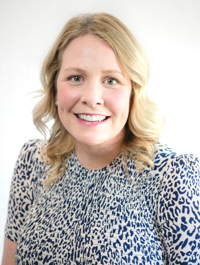 As Vice President for Government Relations and Public Affairs, I work to explain how actions on Capitol Hill can impact the self-employed. I love D.C. and have made my home in Capitol Hill, where I live with my husband and black Labrador, Coltrane. We love playing volleyball and softball on the National Mall.
More...